High-Precision Star Renderer
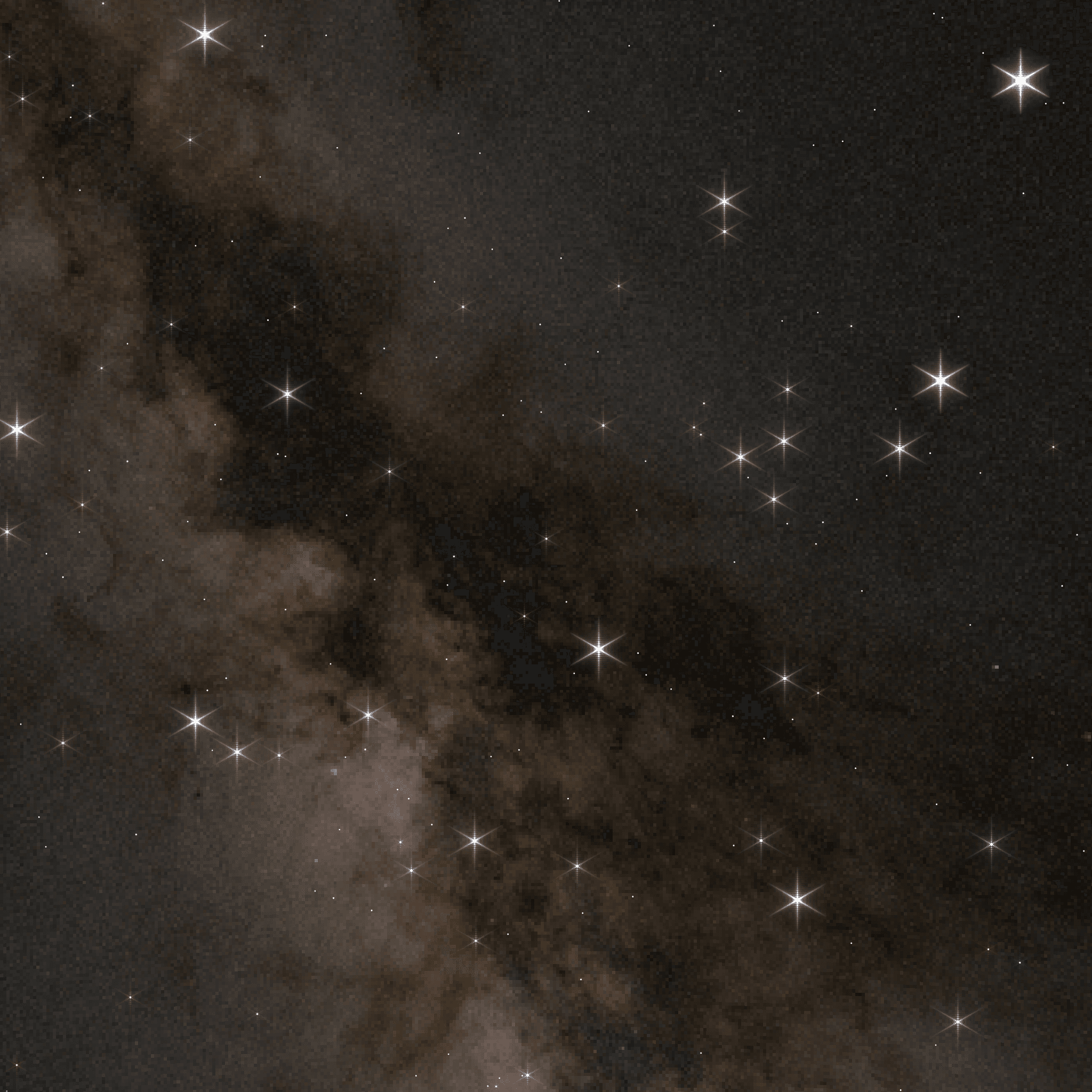
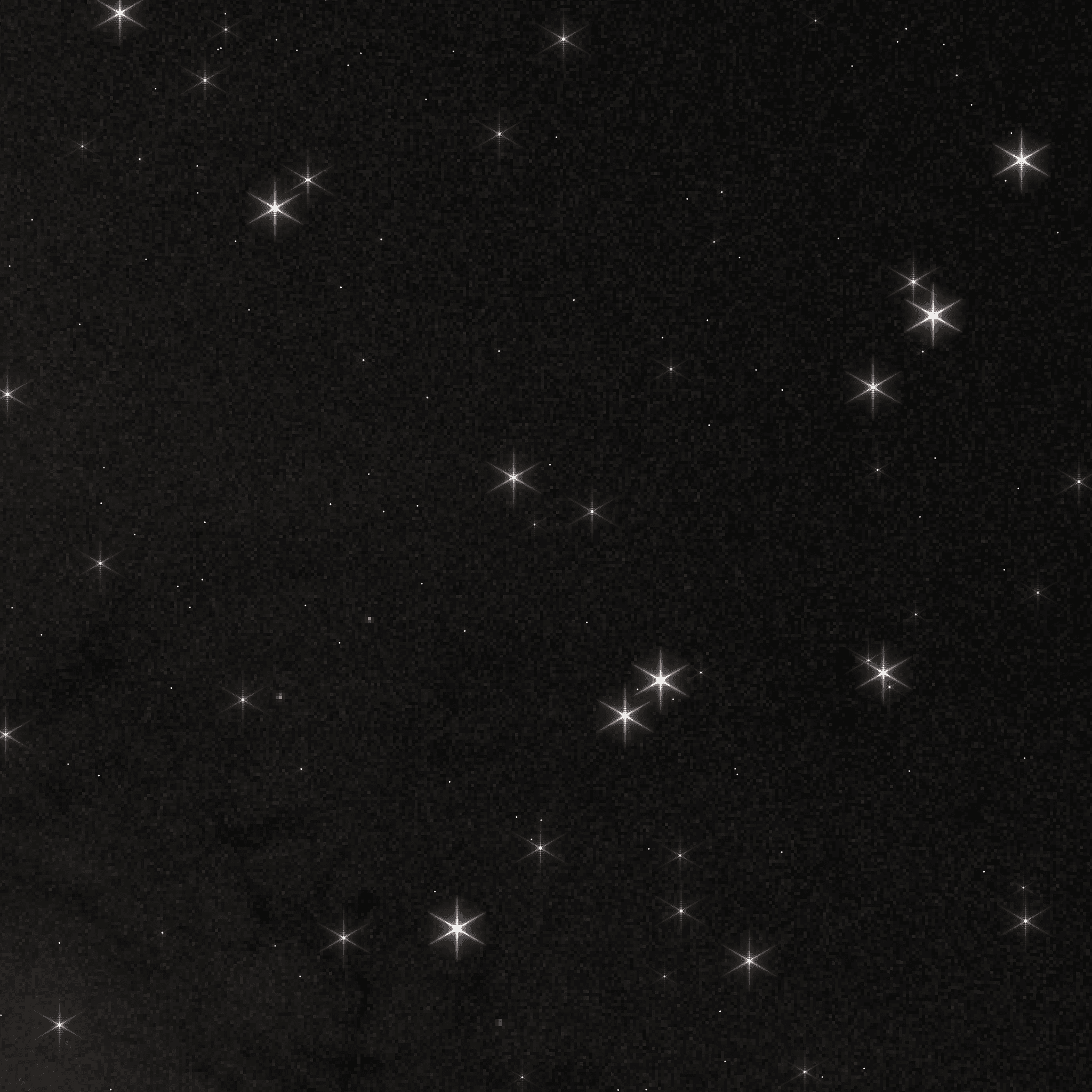
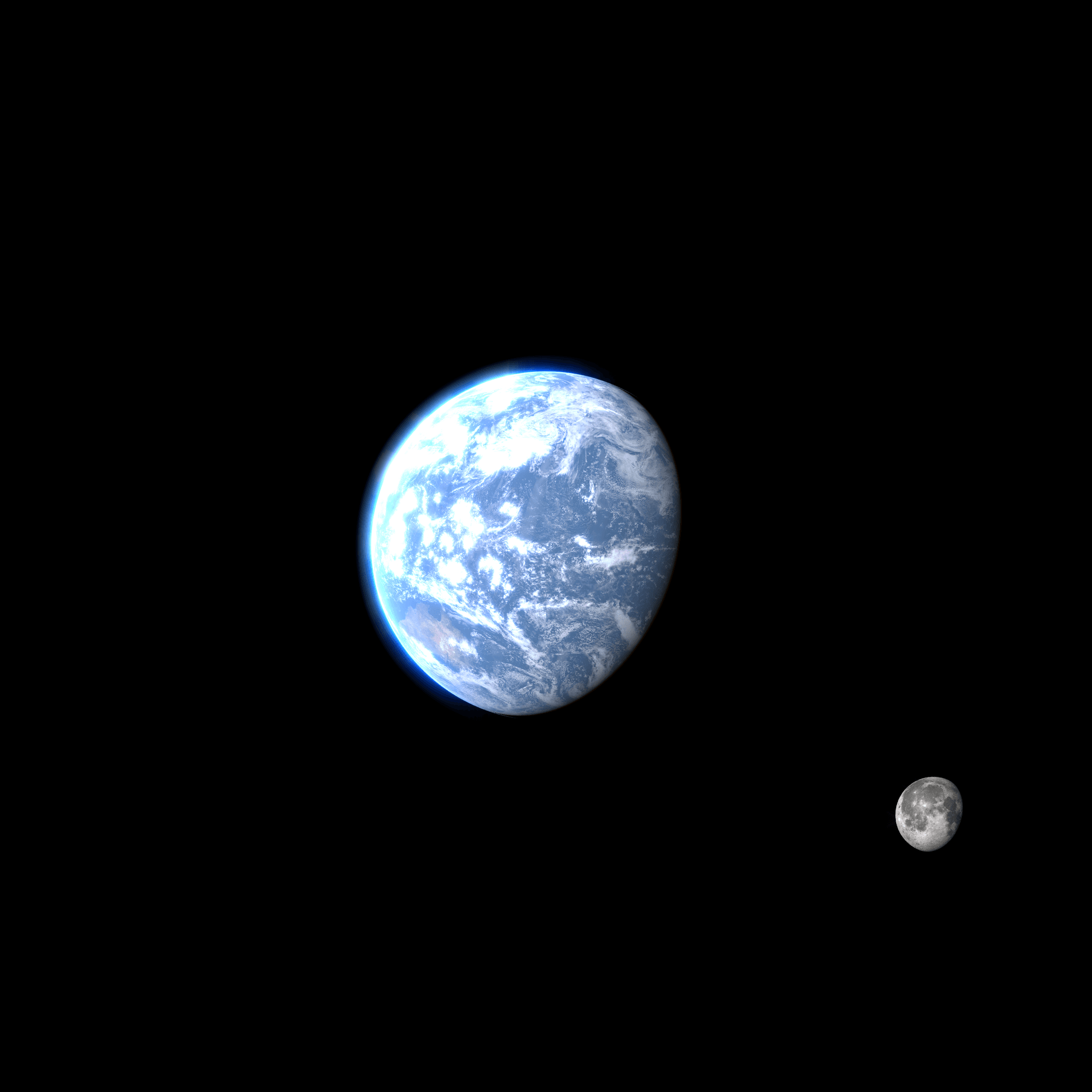
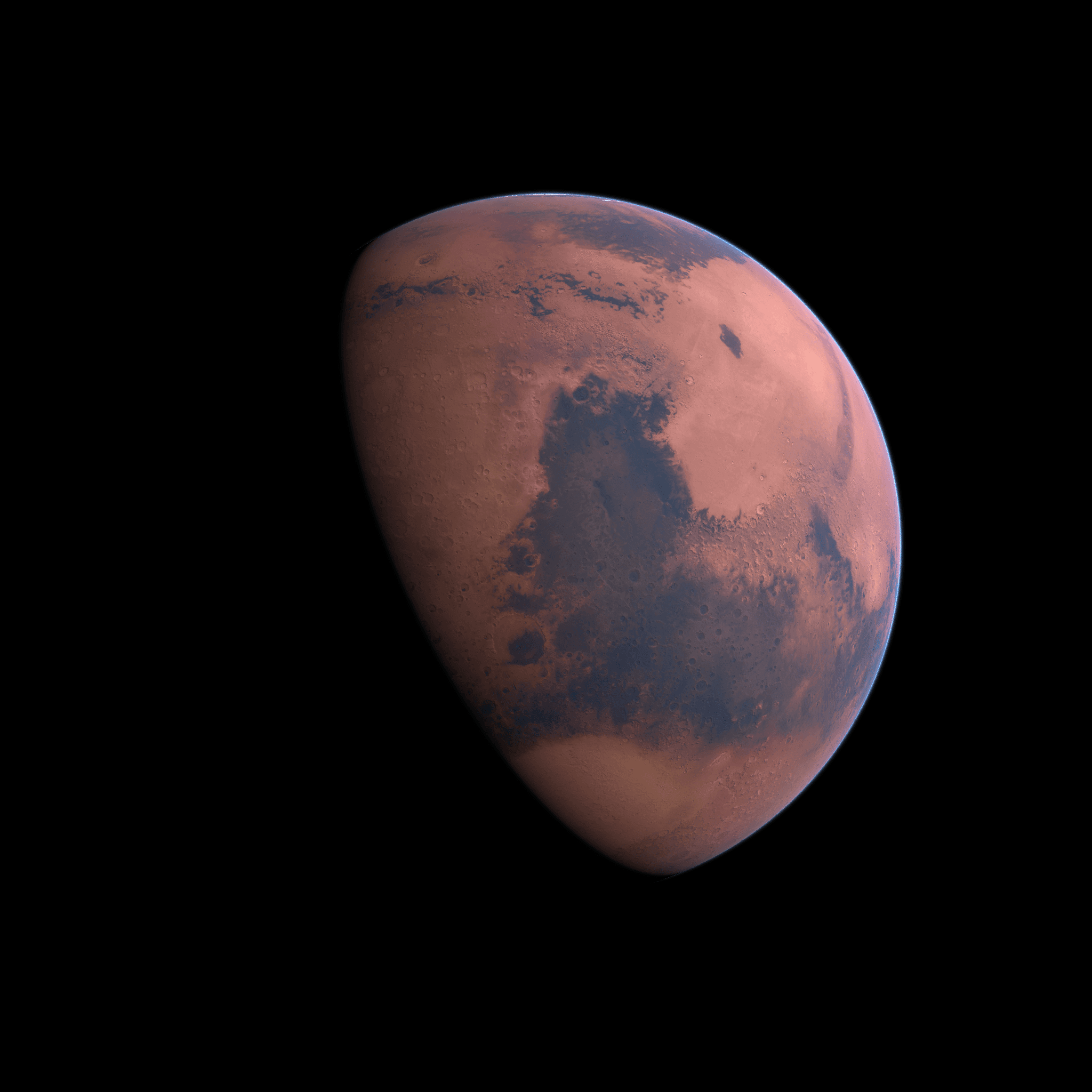
A high-performance astrophysical rendering engine with physically-based star and planet shading, atmospheric scattering, and GPU-accelerated pipelines, achieving a 20X speedup on large scientific datasets. Images brightened for clarity.
Key Points
- →Built a high-precision astrophysical renderer for star and planet visualization, including optical diffraction spikes, solar illumination, custom BRDF-style shading, and atmospheric Rayleigh-scattering effects
- →Developed real-time Vulkan rendering backend for dense star fields, achieving 120 FPS through GPU-oriented rendering architecture and shader-driven star evaluation
- →Implemented screen-space tiling pass to spatially bin visible stars, reducing per-pixel star influence checks and improving fragment-stage performance
- →Designed the Vulkan renderer to maintain feature parity with the CPU renderer over time while shifting performance-critical star rendering work onto the GPU
- →Evaluated OpenCL, OpenGL compute shaders, and Vulkan-based rendering approaches while profiling GPU workload distribution, memory transfer costs, and rendering bottlenecks
- →Implemented custom data ingestion pipelines for CSV, TIFF, OBJ, and JPEG assets to support large-scale scientific rendering datasets and GPU-ready scene data
- →Optimized CPU renderer by rewriting core rendering algorithms in C++, improving frame generation speed by 20X on large astrophysical datasets
- →Contributed as an undergraduate research assistant at Texas A&M University